
WMS Software UK: Modernising Warehouse Operations
UK businesses face unique logistical challenges. Efficient warehousing is now critical. Warehouse Management System (WMS) software offers a solution. This article explores WMS software UK. It details its impact on modern supply chains. We will cover its benefits. We will also discuss key considerations. Understanding WMS is vital for growth. It drives operational excellence today.
The Evolving Landscape of UK Warehousing
Warehousing has changed dramatically. Manual processes once dominated. Today, technology is paramount. The UK market is highly dynamic. E-commerce growth is relentless. Consumer expectations are higher than ever. Faster delivery is now standard. Brexit introduced new complexities. Supply chain disruptions are common. Labour shortages affect many operations. Businesses must adapt quickly. Old systems simply cannot cope. WMS software UK provides this necessary agility. It transforms reactive handling into proactive management. This shift is crucial for survival. It ensures competitiveness in a tough market.
Understanding WMS Software: A Core Component for UK Businesses
WMS software optimises warehouse operations. It manages inventory movement. It tracks goods from arrival to dispatch. Core functions include receiving and putaway. It handles picking and packing. Shipping processes are streamlined. Real-time data is a key feature. This data improves decision-making. Accuracy significantly increases. Errors become less frequent. Labour efficiency also improves. Tasks are assigned intelligently. WMS software UK integrates with other systems. This creates a unified data flow. It often connects with ERP and TMS. This integration avoids data silos. It enhances overall supply chain visibility. For many UK businesses, WMS is no longer optional. It is a strategic imperative. [See also: The Benefits of Integrated Supply Chain Software]
Key Benefits of WMS Software for UK Logistics
Adopting WMS software brings many advantages. First, it boosts operational efficiency. Automated processes reduce manual effort. This speeds up workflow significantly. Second, inventory accuracy improves. Real-time tracking minimises discrepancies. Stockouts become rare. Overstocking is also avoided. This frees up valuable capital. Third, labour productivity rises. The system guides staff effectively. Travel time within the warehouse shrinks. Task allocation becomes smarter. Fourth, customer satisfaction increases. Faster, more accurate orders lead to happier customers. This builds brand loyalty. Fifth, compliance is easier. WMS software helps meet regulations. It maintains clear audit trails. This is vital for UK and international trade. Finally, it reduces operating costs. Less waste, fewer errors, and optimised space save money. These are tangible benefits for any UK enterprise.
Addressing UK-Specific Challenges with WMS Software
The UK market presents unique hurdles. WMS software directly tackles these. The e-commerce boom demands speed. WMS enables rapid order fulfilment. It supports diverse shipping options. Brexit created new customs requirements. WMS helps manage complex documentation. It tracks goods across borders effectively. Labour availability is a constant concern. WMS maximises existing workforce output. It reduces reliance on manual, repetitive tasks. This empowers staff. It makes jobs more engaging. Space optimisation is another factor. UK warehouse space is often premium. WMS ensures maximum space utilisation. It identifies optimal storage locations. This makes every square foot count. These functionalities make WMS software UK highly valuable. It is tailored for modern British commerce.
Cloud vs. On-Premise WMS Software UK Options
Businesses choose between two main deployment models. Cloud-based WMS is popular. It offers flexibility and scalability. Hosting is external. Updates are automatic. Lower upfront costs are appealing. It suits growing businesses well. On-premise WMS means local installation. The software resides on company servers. This provides greater control. Customisation options are extensive. It might suit larger enterprises. However, it requires significant IT resources. Maintenance is an internal responsibility. The choice depends on business needs. Budget and IT capability are factors. Both options deliver powerful WMS features. The best fit enhances operations. [See also: Cloud vs. On-Premise Software: A Detailed Comparison]
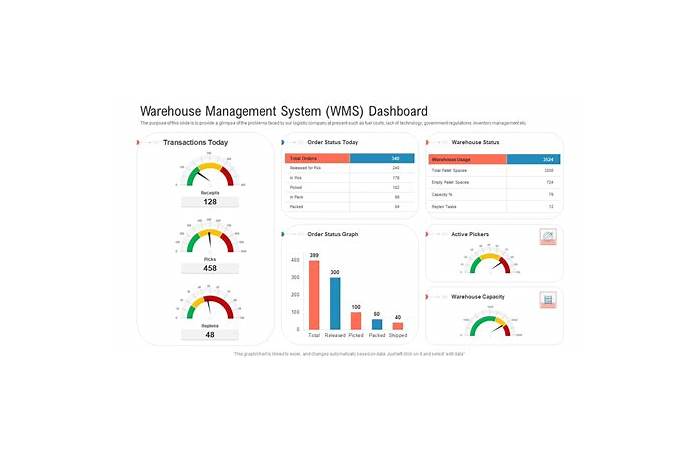
Implementing WMS Software: Practical Steps for UK Businesses
Successful WMS implementation requires careful planning. First, assess current operations. Identify pain points clearly. Define your specific requirements. What does your business need? Second, research WMS software UK vendors. Look for proven track records. Seek solutions tailored to your industry. Request demonstrations. Understand their support models. Third, plan the implementation process. This involves data migration. It includes system configuration. Phased rollouts can minimise disruption. Fourth, train your staff thoroughly. User adoption is critical. Ensure everyone understands the new system. Provide ongoing support. Finally, monitor performance continuously. Use WMS analytics for insights. Identify areas for further optimisation. This ensures maximum ROI. A well-executed plan yields significant gains.
Conclusion: The Indispensable Role of WMS Software UK
WMS software is more than just a tool. It is a strategic asset. For UK businesses, it drives competitive advantage. It ensures operational resilience. It supports growth in challenging markets. Efficiency, accuracy, and agility are key. WMS delivers these crucial elements. Investing in the right WMS software UK solution pays dividends. It prepares businesses for future demands. It streamlines today’s complex supply chains. Embrace this technology now. Secure your place in tomorrow’s commerce. The future of UK logistics is digital. WMS software leads the way.